Books to Understand Modern India
Updated 2026-07-10 · 10 books
Modern India is best understood through its ideas, its inequalities and its economy. We've paired the foundational (Khilnani's The Idea of India) with the urgent (Yengde's Caste Matters) and the ground-level (Katherine Boo's reporting from a Mumbai slum). Together these books explain how the world's largest democracy actually works.
- 1
Idea of India
Sunil Khilnani
Read this if you want the foundational text: Sunil Khilnani's The Idea of India on how the modern nation was imagined after independence.
IndiaPolitics And GovernmentCivilization - 2
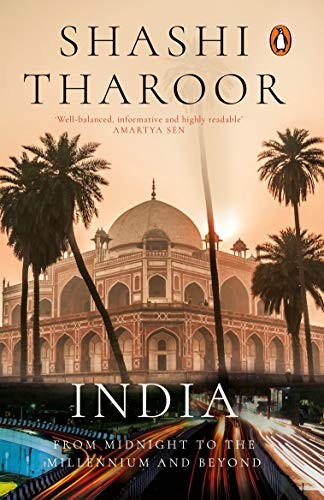
India from Midnight to the Millennium & Beyond
Shashi Tharoor
Read this if you want a readable overview of the republic's decades: Shashi Tharoor's India from Midnight to the Millennium and Beyond.
Politics and governmentEconomic conditionsSocial conditions - 3
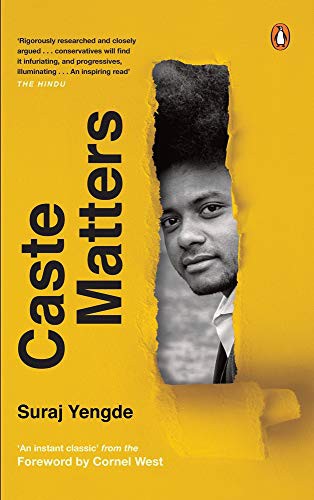
Caste Matters
Suraj Yengde
Read this if you want to grasp India's defining social fault line: Suraj Yengde's Caste Matters, part memoir, part manifesto.
AsiaHistoryCaste-based discrimination - 4
Poor Economics
Abhijit Banerjee, Esther Duflo
Read this if you want the economics of everyday poverty: the Nobel-winning Poor Economics by Abhijit Banerjee and Esther Duflo.
Business & ManagementEconomic assistancePoverty - 5
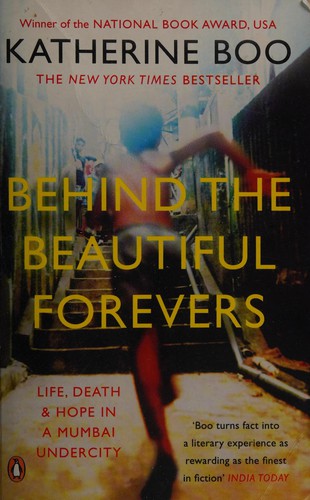
Behind the beautiful forevers
Katherine Boo
Read this if you want India at ground level: Katherine Boo's Behind the Beautiful Forevers reports life in a Mumbai slum with novelistic power.
Business & ManagementUrban poorCreative nonfiction - 6
Other Side of Silence
Urvashi Butalia
Read this if you want to understand Partition's human cost: Urvashi Butalia's oral history The Other Side of Silence.
Business & ManagementHistoryIndia - 7
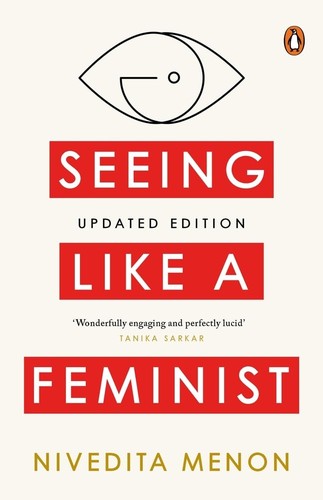
Seeing Like A Feminist
Nivedita Menon
Read this if you want a sharp primer on gender and power: Nivedita Menon's Seeing Like a Feminist.
FeminismWomenIndia - 8
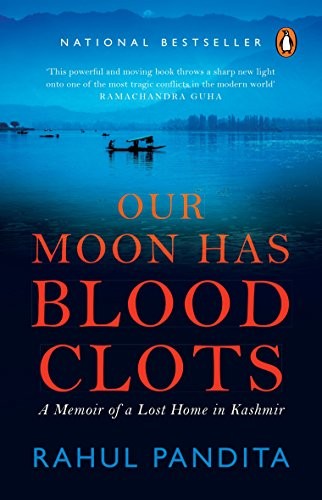
Our Moon Has Blood Clots
Rahul Pandita
Read this if you want the Kashmir story from the inside: Rahul Pandita's Our Moon Has Blood Clots, a memoir of exile.
Kashmiri PanditsEthnic conflictGenocide - 9
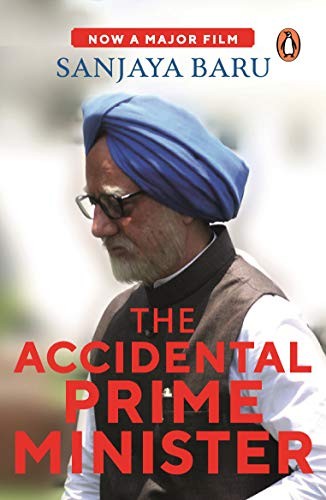
The Accidental Prime Minister
Sanjaya Baru
Read this if you want a look inside power: Sanjaya Baru's insider account of the Manmohan Singh years, The Accidental Prime Minister.
Prime ministersBiographyPolitics and government - 10
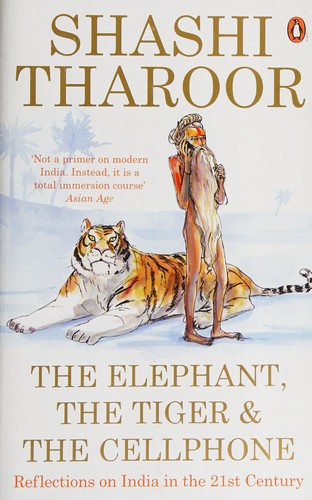
The elephant, the tiger & the cell phone
Shashi Tharoor
Read this if you want wide-ranging reflections: Shashi Tharoor's essays on India in the 21st century, The Elephant, the Tiger and the Cellphone.
Business & ManagementCivilizationPolitics and government
At a glance
| # | Book | Author |
|---|---|---|
| 1 | Idea of India | Sunil Khilnani |
| 2 | India from Midnight to the Millennium & Beyond | Shashi Tharoor |
| 3 | Caste Matters | Suraj Yengde |
| 4 | Poor Economics | Abhijit Banerjee, Esther Duflo |
| 5 | Behind the beautiful forevers | Katherine Boo |
| 6 | Other Side of Silence | Urvashi Butalia |
| 7 | Seeing Like A Feminist | Nivedita Menon |
| 8 | Our Moon Has Blood Clots | Rahul Pandita |
| 9 | The Accidental Prime Minister | Sanjaya Baru |
| 10 | The elephant, the tiger & the cell phone | Shashi Tharoor |
Frequently asked
What is the single best book to understand modern India?
Sunil Khilnani's The Idea of India is the classic starting point on how independent India was imagined and built. Pair it with Shashi Tharoor's India from Midnight to the Millennium for a readable overview of the decades since.
Which book on India won a Nobel Prize?
Poor Economics by Abhijit Banerjee and Esther Duflo distils the research that helped win them the 2019 Nobel Prize in Economics, rethinking poverty and how to end it, with much of the evidence drawn from India.
Prefer a plain-text version of this list? You can find one here.