Books on AI, Power and Society: The Bigger Picture
Updated 2026-10-07 · 7 books
Running a business sensibly with AI means having a view on more than tools. These seven books cover the bigger questions: how a handful of companies came to lead the field, why making AI do what we intend is hard, who historically gains when technology changes work, and how the rivalry between the US and China is shaping it all. None of them is a how-to. Read them for judgement, not tactics.
- 1
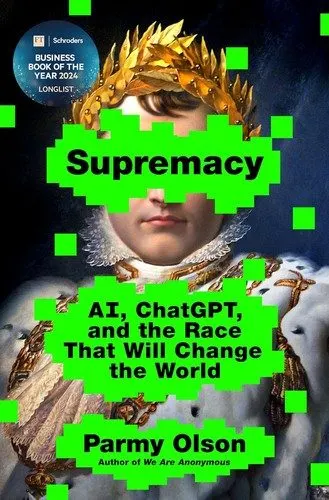
Supremacy
Parmy Olson
Bloomberg columnist Parmy Olson tells the story of the race between OpenAI and DeepMind and the people who led them. The most readable way to understand how the current AI industry came to look the way it does.
Best for: Anyone who wants the story before the arguments.
Skip it if: You want practical guidance for your business.
Business & Management - 2
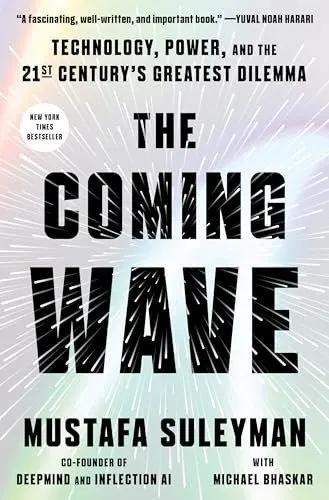
The Coming Wave
Mustafa Suleyman
Mustafa Suleyman, a co-founder of DeepMind, argues that AI and related technologies will be very hard to contain and sets out what he thinks should be done. Worth reading precisely because it comes from inside the industry.
Best for: Leaders who want to take the risks seriously without reading a technical book.
Skip it if: You're sceptical of predictions from people who build the technology; read Power and Progress alongside it.
Politics & SocietyDeep MindArtificial intelligence - 3
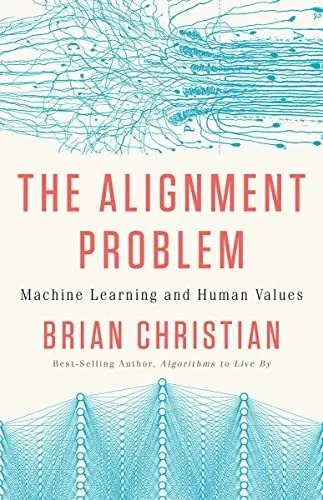
The Alignment Problem
Brian Christian
Brian Christian explains, through the researchers working on it, why it's so hard to get machine learning systems to do what we actually mean. Clear for non-specialists and the best grounding on bias and unintended behaviour.
Best for: Leaders responsible for deploying AI fairly and safely.
Skip it if: You want something short; it's 356 pages and patient with detail.
Science & NatureScienceArtificial intelligence - 4
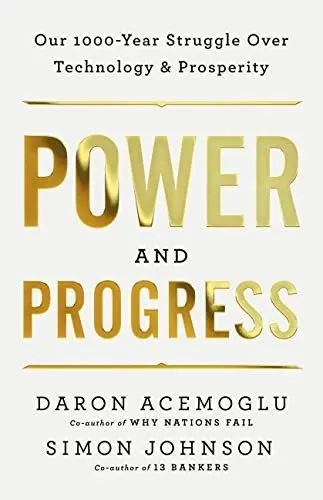
Power and Progress
Daron Acemoglu, Simon Johnson
Economists Daron Acemoglu and Simon Johnson look back over a thousand years of technology to show that its gains go to whoever has the power to claim them, and apply the lesson to AI. A necessary corrective to the idea that progress benefits everyone automatically.
Best for: Leaders thinking about AI's effect on jobs and wages.
Skip it if: You want a quick read; it's long and ranges widely through history.
Economics - 5
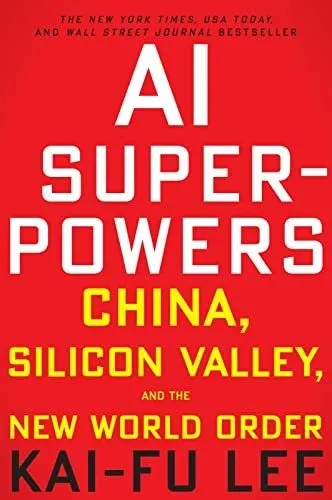
AI Superpowers
Kai-Fu Lee
Kai-Fu Lee, who has worked on AI at Apple, Microsoft and Google and as an investor in China, compares how China and the US approach it and what that means for jobs. Published in 2019, so read it as the background to today's rivalry.
Best for: Leaders whose business depends on global technology supply.
Skip it if: You want current developments; the field has moved since 2019.
Business & ManagementSocial ScienceFuture Studies - 6
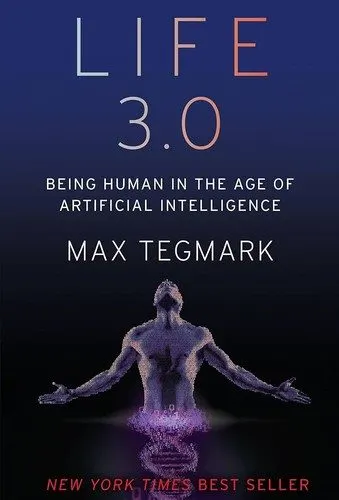
Life 3.0
Max Tegmark
MIT physicist Max Tegmark sets out the range of futures that more capable AI could lead to, from the good to the catastrophic. More speculative than the others here, and good for stretching a leadership team's thinking.
Best for: Teams that want to argue about the long term.
Skip it if: You want evidence about the next few years.
Science & NatureMoral and ethical aspectsTechnological forecasting - 7
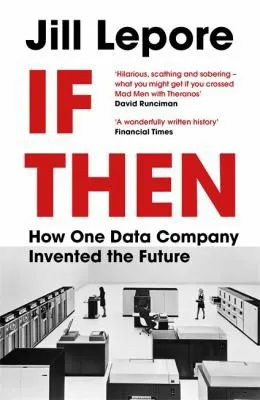
If Then
Jill Lepore
Historian Jill Lepore tells the story of Simulmatics, a 1960s company that tried to predict and influence human behaviour with computers. A reminder that the promises being made for data and prediction today are older than they look.
Best for: Readers who like history and want perspective on the hype.
Skip it if: You want a book about AI itself; this is a history of an earlier idea.
Data miningAlgorithmsTechnology
At a glance
| # | Book | Author |
|---|---|---|
| 1 | Supremacy | Parmy Olson |
| 2 | The Coming Wave | Mustafa Suleyman |
| 3 | The Alignment Problem | Brian Christian |
| 4 | Power and Progress | Daron Acemoglu, Simon Johnson |
| 5 | AI Superpowers | Kai-Fu Lee |
| 6 | Life 3.0 | Max Tegmark |
| 7 | If Then | Jill Lepore |
Frequently asked
Why have a separate list from the business books?
Because they answer a different question. The business list is about what to do with AI in your company this year. These books are about who controls AI, who benefits and what could go wrong, which matters for strategy over a longer horizon.
Which of these is most relevant to India?
AI Superpowers, because it's about the competition between China and the US that shapes the tools and rules India works with, and Power and Progress, because its question of who gains from new technology applies directly to a large workforce.
Prefer a plain-text version of this list? You can find one here.